

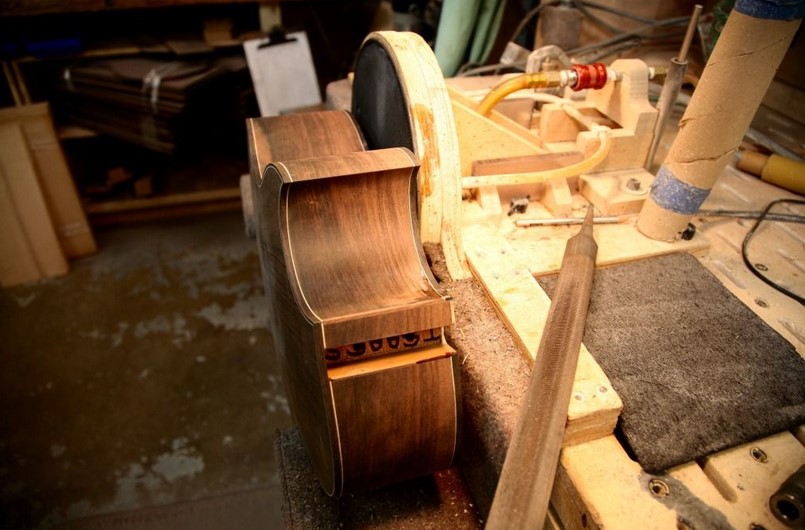
When it comes to building or selecting the perfect guitar, one component plays a pivotal role in defining the instrument’s tone and resonance: the soundboard. Often referred to as the “top” of the guitar, the soundboard is the primary surface responsible for converting string vibrations into sound. As a result, choosing the best guitar soundboards is essential for musicians who value rich, responsive, and dynamic tones.
Table of Contents
In this article, we’ll explore what characteristics make the best guitar soundboards stand out in tone, how different materials influence sound, and where you can find premium guitar soundboards for sale. Whether you’re a luthier, hobbyist, or professional musician, understanding the intricacies of soundboard performance is key to finding the best match for your musical style.
What Is a Guitar Soundboard?
A guitar soundboard is the top wooden panel of an acoustic guitar that vibrates to amplify the sound produced by the strings. The soundboard is typically made from tonewoods known for their acoustic properties, such as spruce, cedar, and mahogany. These woods are selected not only for their durability but also for their ability to enhance tonal qualities.
Why the Soundboard Matters for Guitar Tone
The soundboard acts like a speaker cone in a stereo system. When you pluck or strum the guitar strings, the vibrations are transferred through the bridge to the soundboard. The shape, material, and thickness of the soundboard all influence how these vibrations are translated into sound.
The best guitar soundboards are carefully crafted and calibrated to respond to even the subtlest string movements, producing rich overtones and a balanced frequency response. In contrast, a poorly made or mismatched soundboard can dampen tone and reduce sustain.
Popular Tonewoods Used in High-Quality Soundboards
Spruce
Spruce, particularly Sitka and Engelmann varieties, is one of the most popular choices for soundboards. It is lightweight yet strong, providing excellent resonance and dynamic range. Its crisp articulation and responsiveness make it ideal for fingerstyle and strumming alike.
Cedar
Cedar is softer than spruce and tends to offer a warmer, more mellow tone. It responds well to a light touch, making it a favorite among classical and flamenco guitarists. Cedar is also more forgiving for new players, as it requires less force to produce sound.
Mahogany
Mahogany soundboards are known for their midrange punch and direct tone. They offer a more focused sound compared to spruce or cedar, and they age well over time. Mahogany is often used for blues and folk-style guitars.

Key Features That Define the Best Guitar Soundboards
Responsiveness
The best guitar soundboards respond immediately to the player’s touch. Whether strumming aggressively or picking delicately, the soundboard should deliver accurate, articulate sound without delay.
Sustain
A good soundboard allows notes to ring out with clarity. Sustain is crucial for musical expression and harmonic complexity, especially during solos or fingerstyle playing.
Projection
Soundboards that project well help the guitar cut through in ensemble settings. This quality is especially important for live performance and recording, where clarity and presence matter.
Tonal Balance
High-quality soundboards offer a well-balanced tone across all strings and frequencies. No single note should overpower the others unless desired through playing technique.
How to Choose the Right Soundboard for Your Style
Every player has unique tonal preferences and playing techniques. Choosing the right soundboard means understanding how different materials and designs suit your sound.
- Fingerstyle players may prefer cedar for its quick response and warmth.
- Strummers and flat-pickers might lean toward spruce for its clarity and strength.
- Blues and folk artists could enjoy mahogany for its earthy tones and strong mids.
When browsing a guitar soundboard online, look for detailed product descriptions, tonewood sourcing information, and user reviews to help guide your decision.
Buying Guitar Soundboards Online: What to Look For
If you’re in the market for guitar soundboards for sale, consider the following factors when shopping online:
Wood Quality and Grading
Soundboards are often graded based on appearance and acoustic potential. AAA or Master Grade tops typically have straight, tight grain and consistent coloration.
Drying and Seasoning
Proper drying (kiln or air) ensures that the wood is stable and less prone to warping or cracking. A well-seasoned soundboard will deliver better tonal consistency.
Supplier Reputation
When looking for a guitar soundboard online, purchase from reputable luthier supply shops or specialty tonewood dealers. Check for customer feedback, return policies, and authenticity guarantees.
Price vs. Performance
While premium soundboards can be costly, it’s worth investing in quality for improved tonal output. Still, many suppliers offer reasonably priced options that don’t compromise on sound.
FAQs
What is the best tonewood for a guitar soundboard?
Spruce and cedar are among the most popular choices. Spruce offers brightness and clarity, while cedar provides warmth and responsiveness. The best guitar soundboards are selected based on the player’s style and tonal needs.
Can I buy a guitar soundboard online?
Yes, many reputable luthier supply websites offer guitar soundboard online options with detailed descriptions and grading. Just ensure you’re buying from a trustworthy source with quality assurance.
Are there affordable guitar soundboards for sale?
Absolutely. While high-end tops can be expensive, many online sellers offer guitar soundboards for sale at a range of prices. Look for lower-grade tops that still meet tonal expectations for budget builds or practice instruments.
Do different soundboard materials affect guitar tone?
Yes, the material has a significant impact on tone. Spruce gives brightness, cedar adds warmth, and mahogany emphasizes the midrange. Your choice of tonewood directly impacts how the guitar sounds and feels.
Is it better to buy pre-braced or unbraced soundboards?
It depends on your building skills and preferences. Pre-braced tops are convenient for quicker builds, while unbraced tops allow full customization. Either option can be found among guitar soundboards for sale online.
Conclusion
The soundboard is arguably the heart of any acoustic guitar. From its material to its construction, every detail affects how the instrument sounds. Whether you’re building from scratch or upgrading, choosing from the best guitar soundboards is a decision that will define your guitar’s voice.
With numerous options for purchasing guitar soundboards online and trusted dealers offering guitar soundboards for sale, the path to achieving your ideal tone has never been more accessible. Take the time to research, compare, and select the soundboard that aligns with your musical vision.