

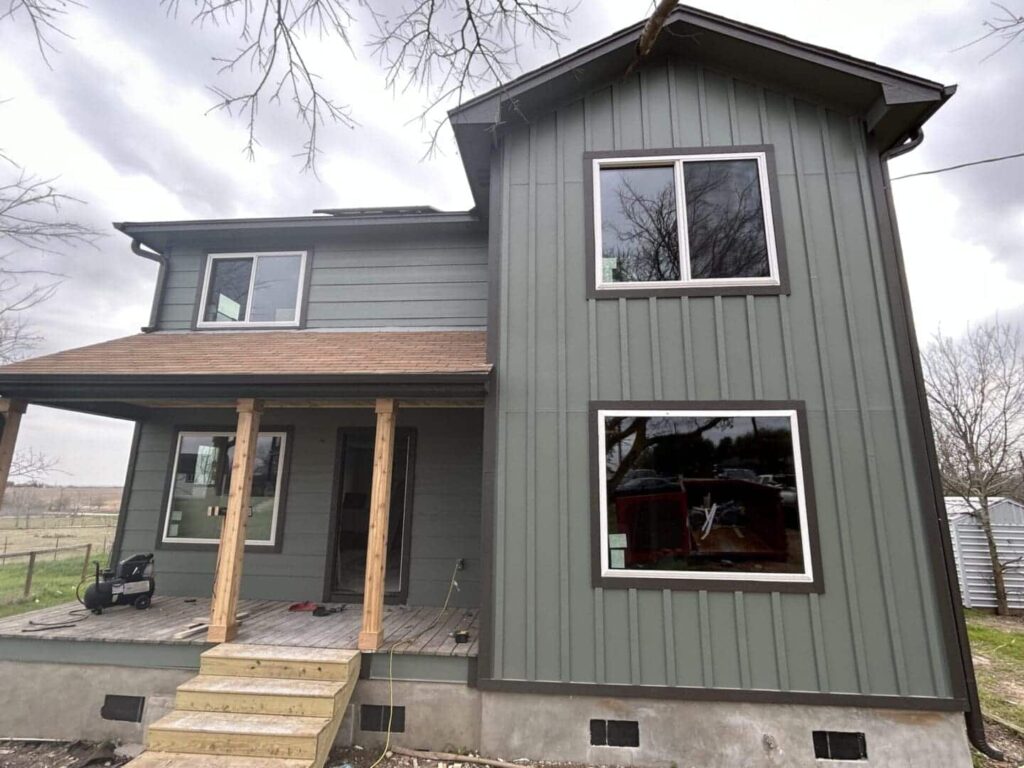
Choosing a contractor for an exterior renovation involves more than comparing a few estimates. Siding affects a home’s appearance, weather protection, maintenance needs, and long-term performance, so the installation process deserves careful consideration. A qualified siding contractor in Austin, TX, should be able to explain material choices, project requirements, expected timelines, and pricing without creating unnecessary confusion.
Table of Contents
- Start With the Contractor’s Relevant Experience
- Verify Licensing, Insurance, and Documentation
- Compare Written Estimates Carefully
- Pay Attention to Measurement and Project Planning
- Evaluate Siding Materials Based on the Home
- Review Previous Work and Customer Feedback
- Understand the Difference Between Replacement and Installation
- Look for Clear Communication From the Beginning
- Consider Local Knowledge and Exterior Conditions
- Review the Contract Before Work Begins
- A Practical Final Checklist
- Conclusion
Whether the goal is a complete exterior update or a targeted improvement, homeowners can make better decisions by evaluating contractors based on experience, communication, workmanship, documentation, and project transparency. The following guide explains what to look for before signing an agreement.
Start With the Contractor’s Relevant Experience
Siding installation is a specialized construction task. A contractor may have general remodeling experience but still lack the practical knowledge required for exterior cladding projects.
Look for a company with experience handling projects similar to yours. Ask about the types of siding materials they install, the kinds of homes they typically work on, and whether they can provide examples of completed projects.
Experience should also extend beyond attaching siding panels. A qualified siding contractor in Austin, TX, should understand that proper installation involves accurate measurements, surface preparation, flashing, moisture management, trim details, fastening methods, and finishing work. A contractor familiar with the complete installation process can identify potential issues early and address them before they become expensive complications.
Ask Questions About Installation Methods
Before hiring a contractor, ask how the exterior will be prepared and how the selected siding material will be installed. Useful questions include:
- How will the exterior walls be measured?
- What preparation is included in the estimate?
- How will vulnerable areas around windows and doors be handled?
- What materials will be used for trim and finishing?
- How will moisture be managed behind the siding?
- Who will supervise the installation?
Clear answers can help reveal whether the contractor has a structured process rather than simply providing a price.
Verify Licensing, Insurance, and Documentation
Home improvement projects involve workers, equipment, materials, and property access. Before work begins, homeowners should verify the contractor’s applicable credentials and insurance coverage.
Ask for documentation rather than relying only on verbal assurances, especially when planning exterior siding installation in Austin that meets the property’s needs. Depending on the project and local requirements, relevant documentation may include business information, insurance certificates, manufacturer credentials, warranties, and written agreements.
A professional contractor should also be willing to explain what is covered by the workmanship warranty and what is covered by the siding manufacturer’s warranty. These are not necessarily the same, so understanding the distinction can prevent confusion later.
Compare Written Estimates Carefully
Price is important, but the lowest estimate does not automatically represent the lowest overall cost. Two proposals can look very different because they include different materials, preparation work, labor, finishing details, or warranty terms.
A detailed estimate should clearly identify the expected scope of work. Ideally, it should address:
- Siding material and product specifications
- Estimated quantity
- Labor
- Preparation requirements
- Trim and finishing components
- Removal and disposal where applicable
- Painting or finishing requirements
- Expected project duration
- Payment schedule
- Warranty information
When comparing proposals, homeowners should focus on what is actually included when evaluating a trusted siding contractor in Austin rather than comparing only the final dollar amount.
Pay Attention to Measurement and Project Planning
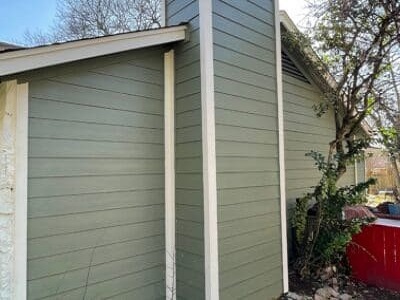
Accurate measurements are essential because siding quantities directly influence material costs and project planning. A professional contractor should have a consistent method for measuring exterior wall areas rather than relying on rough guesses.
Project planning should also account for architectural details such as windows, doors, rooflines, corners, dormers, and other exterior features. These areas require additional attention and can affect the amount of material and labor required.
The reference service page emphasizes detailed measurement and project scope before preparing a siding quote, which reflects an important principle for homeowners: an informed estimate begins with an accurate understanding of the property.
Evaluate Siding Materials Based on the Home
There is no single siding material that is automatically suitable for every property. Homeowners should consider durability, appearance, maintenance, budget, installation requirements, and the home’s existing architectural style.
Fiber cement, for example, is one option homeowners may consider when durability and a distinctive exterior appearance are priorities. Genuine Texas Exteriors can help homeowners evaluate suitable siding options based on factors such as cost, maintenance requirements, texture, color, and installation characteristics, making it easier to choose an exterior solution that fits their home.
Instead of selecting a material solely because it looks attractive in a photograph, ask the contractor how it performs in the property’s specific conditions.
Think About Long-Term Maintenance
The initial installation cost is only one part of the decision. Different siding products can have different maintenance requirements.
Consider questions such as:
- How frequently does the material require cleaning?
- Does it require repainting?
- How well does the finish maintain its appearance?
- What maintenance is recommended by the manufacturer?
- How easy is it to replace an individual section if needed?
A thoughtful contractor should help explain these considerations without pushing homeowners toward a particular product simply because it is more expensive.
Review Previous Work and Customer Feedback
Past projects can provide useful insight into workmanship, communication, organization, and attention to detail. Look for photographs that show complete projects rather than only close-up product shots.
Customer reviews can also provide valuable context when evaluating a siding contractor in Austin, TX. Instead of focusing exclusively on star ratings, read comments for recurring details about communication, scheduling, cleanliness, project transparency, and the quality of the finished result.
It is also useful to ask whether the contractor can provide relevant project examples. A portfolio containing homes with similar architectural features or siding requirements can make it easier to assess the contractor’s practical experience.
Understand the Difference Between Replacement and Installation
Homeowners sometimes use the terms installation and replacement interchangeably, but the project may involve different considerations depending on the existing exterior.
During siding replacement, the contractor may need to remove existing material and evaluate the underlying surface before installing the new exterior. This can affect the project timeline, material quantities, and overall scope.
A contractor should explain what happens if unexpected conditions are discovered during preparation. Written clarification about potential changes can help homeowners understand how additional work would be handled before the project begins.
Look for Clear Communication From the Beginning
Communication is one of the easiest qualities to evaluate before hiring a contractor. Pay attention to how quickly questions are answered and whether explanations are understandable.
A reliable contractor should be able to discuss:
- What happens before installation
- Who will be responsible for the project
- How scheduling works
- What homeowners should prepare before work begins
- How changes are documented
- How final inspections are handled
Good communication does not mean promising that every project will proceed without complications. Instead, it means having a clear process for identifying, explaining, and documenting issues when they arise.
Consider Local Knowledge and Exterior Conditions
When choosing siding in Austin, Texas, homeowners can rely on contractors who consider more than visual appeal. Local knowledge helps contractors understand common architectural styles, weather-related considerations, material preferences, and installation challenges in the area.
Homeowners should ask contractors how the recommended siding system is suited to the property and what installation details are particularly important for exterior durability.
A contractor familiar with local projects may also be better positioned to discuss practical scheduling considerations and material availability.
Review the Contract Before Work Begins
Never rely on a verbal agreement for a major exterior project. Review the written contract carefully before approving the work.
The agreement should make the project’s scope understandable and should align with the estimate. Check the material specifications, payment terms, estimated schedule, warranty information, responsibilities, and procedures for approved changes.
If a section is unclear, ask for an explanation before signing. Taking additional time at this stage can help prevent misunderstandings later.
Questions to Ask Before Hiring a Siding Contractor
1. How many siding projects have you completed?
Ask about relevant experience rather than only the number of years the company has been operating. Experience with similar homes and materials can be more useful when evaluating project suitability.
2. What siding materials do you install?
Ask which materials the contractor works with regularly and whether they can explain the advantages, limitations, maintenance requirements, and installation considerations of each option.
3. What does the estimate include?
Ask a siding contractor in Austin, TX, for a detailed written breakdown covering materials, labor, preparation, finishing, disposal, and other applicable project components. This makes it easier to compare proposals accurately and understand exactly what is included in the quoted price.
4. How will the property be prepared?
Find out how existing siding, exterior surfaces, openings, trim, and Austin areas will be handled before new material is installed. Proper preparation can influence the quality and durability of the finished project.
5. What warranties are provided?
Ask for written information about both manufacturer warranties and workmanship coverage. Understand what each warranty covers and how long the coverage lasts.
6. How long should the project take?
A contractor should be able to provide a reasonable project timeframe based on the home’s size, material selection, preparation requirements, and other relevant factors. Weather and unforeseen site conditions can affect the schedule.
7. How are changes to the project handled?
Ask how additional work or changes are documented and approved. A clear change process helps prevent unexpected disagreements about scope or cost.
A Practical Final Checklist
Before selecting a contractor, homeowners can use this checklist:
- Compare detailed written estimates.
- Verify relevant credentials and insurance.
- Review examples of completed siding projects.
- Read customer feedback carefully.
- Confirm the siding material and product specifications.
- Ask about preparation and installation methods.
- Review warranty terms.
- Confirm the expected timeline.
- Make sure the contract clearly defines the scope.
- Ask questions about anything that remains unclear.
Taking these steps can make the selection process more organized and help homeowners evaluate contractors based on measurable factors rather than promotional claims.
Conclusion
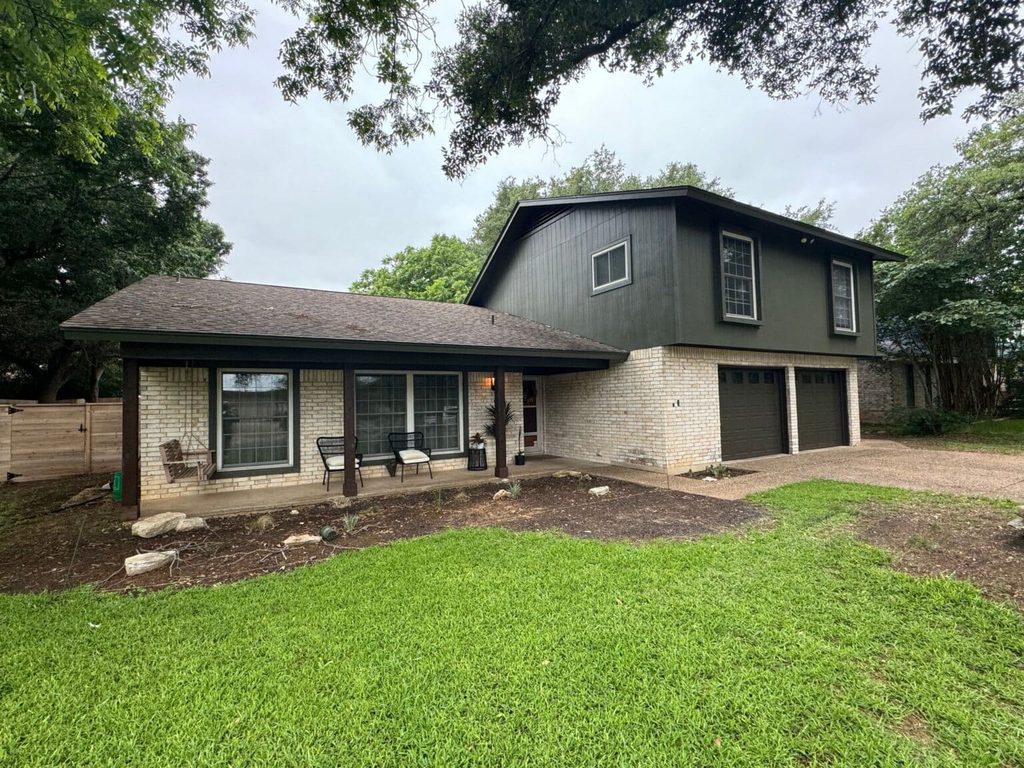
Selecting the right contractor for an exterior project requires careful research, clear communication, and attention to project details. A siding contractor in Austin, TX, that homeowners hire should provide a clear scope, accurate measurements, appropriate material guidance, written pricing, and understandable warranty information.
For homeowners planning siding replacement, comparing contractors based on workmanship, documentation, communication, and installation practices can make the decision process more informed. The goal is not simply to find someone who can install siding, but to select a qualified professional whose process aligns with the property’s needs and the homeowner’s expectations.
Genuine Texas Exteriors provides siding installation services for homes across Austin and surrounding Central Texas communities, with a process that includes project evaluation, measurements, material discussions, and planning.
Ready to explore exterior siding options for a residential project? Get precise directions to the service location and plan a convenient visit to discuss the project requirements.