

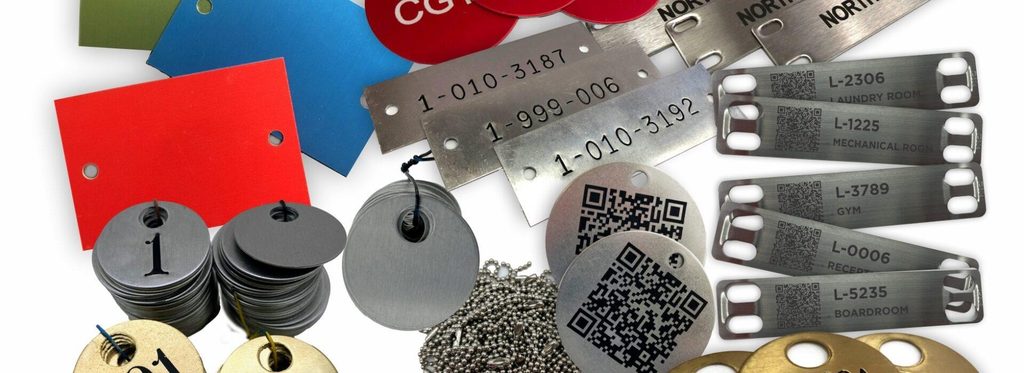
Choosing the right material for industrial tags is essential for equipment identification, workplace safety, and long-term maintenance. Metal and plastic tags serve similar purposes, but their performance varies depending on environmental conditions, durability requirements, and installation methods. Understanding these differences helps Canadian businesses select identification solutions that remain readable, functional, and cost-effective throughout their intended service life.
Table of Contents
- Understanding Metal and Plastic Industrial Tags
- Metal Tags: Durability and Long-Term Performance
- Plastic Tags: Lightweight and Flexible Identification
- Metal vs. Plastic: Comparing Important Features
- How to Choose Industrial Tags for Outdoor Equipment
- Material Selection for Different Industrial Applications
- Practical Tips for Choosing the Right Identification Material
- Conclusion
Understanding Metal and Plastic Industrial Tags
Identification products used to display important information on machinery, electrical panels, tools, and workplace equipment help keep essential details accessible. These labels may include serial numbers, asset codes, operating details, or safety instructions. Properly designed industrial tags support clear identification and reliable information tracking throughout an asset’s service life.
Metal tags generally offer greater mechanical strength and heat resistance, making them suitable for demanding industrial environments. Plastic alternatives are often lighter, more economical, and useful for colour-coded identification. However, the best choice depends on environmental exposure, marking requirements, and long-term maintenance needs.
Common metal materials include stainless steel, aluminum, and brass. Plastic options may include acrylic, polycarbonate, polyester, and engraved plastic laminates.
Each material offers different advantages, making careful selection important.
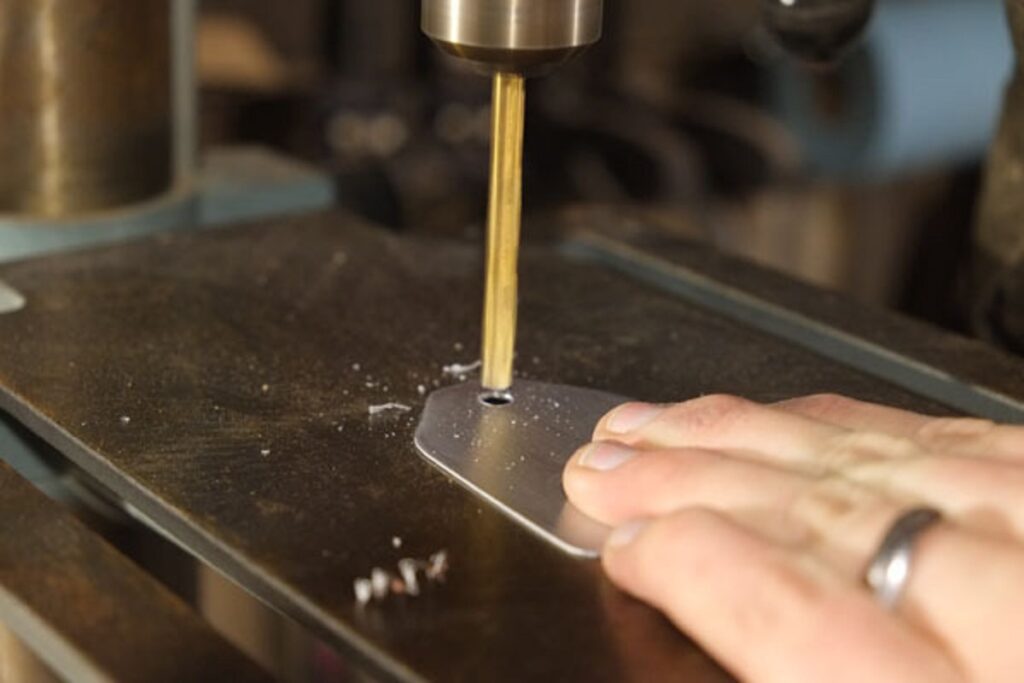
Metal Tags: Durability and Long-Term Performance
Metal identification plates are widely used in manufacturing, transportation, construction, and heavy equipment operations. Their strength makes them suitable for applications involving frequent handling, mechanical contact, or demanding operating conditions.
Key Advantages of Metal Tags
Metal identification products offer several practical benefits:
- Mechanical strength: Metal generally withstands impact, abrasion, and physical wear better than many plastic alternatives.
- Heat resistance: Suitable metal grades tolerate temperatures that may deform certain plastics.
- Corrosion resistance: Stainless steel and properly treated aluminum can resist corrosion under appropriate conditions.
- Long-lasting markings: Engraving and suitable metal-marking methods can keep information readable for extended periods.
A metal nameplate tag can be especially useful for machinery that requires permanent identification throughout its operating life.
Potential Limitations of Metal Tags
Metal tags may cost more upfront, especially when specialized alloys, protective finishes, or detailed engraving are required.
Additionally, metal conducts electricity, making proper placement and installation important around electrical equipment.
For these reasons, metal is not automatically the best option for every identification application.

Need durable industrial tags for machinery or equipment? Get guidance on metal and plastic materials, custom engraving, and identification options tailored to your application in Calgary.
Plastic Tags: Lightweight and Flexible Identification
Plastic identification products provide a practical alternative for many indoor facilities and controlled working environments. They are commonly used for equipment labelling, storage systems, electrical panels, and organizational identification.
Key Advantages of Plastic Tags
Plastic materials offer several useful characteristics depending on their composition.
Their lightweight construction makes installation convenient on smaller equipment. Many plastic grades also provide electrical insulation, although their suitability must be verified for specific applications.
Another benefit is design flexibility. Plastic tags are available in different colours, allowing facilities to distinguish equipment categories, departments, and maintenance requirements.
Certain plastics can also accommodate detailed engraving or printing at a lower initial cost than comparable metal products.
Potential Limitations of Plastic Tags
Plastic materials vary considerably in durability. Extended sunlight exposure may cause fading or brittleness in products without adequate UV protection.
Similarly, high temperatures can affect their shape and stability. Repeated abrasion or contact with incompatible chemicals may also damage markings.
Therefore, selecting the right plastic grade is essential to maintain identification quality.
Metal vs. Plastic: Comparing Important Features
Understanding the differences between these materials can simplify purchasing decisions.
| Comparison Factor | Metal Tags | Plastic Tags |
| Durability | Generally strong against impact and wear | Varies by material grade |
| Temperature resistance | Often suitable for higher temperatures | Depends on plastic composition |
| Weight | Typically heavier | Generally lightweight |
| Moisture resistance | Depends on alloy and finish | Does not rust but may degrade |
| Electrical properties | Conductive | Many grades provide insulation |
| Customization | Engraving and metal marking | Printing, engraving, and colour coding |
| Initial cost | Often higher | Often lower |
Neither material performs best in every category. Selection should reflect the operating environment and intended application.
How to Choose Industrial Tags for Outdoor Equipment
Outdoor equipment faces environmental challenges that can affect identification materials over time. In Calgary, changing temperatures, winter snowfall, moisture, and seasonal sunlight exposure make material selection particularly important.
Stainless steel and appropriately finished aluminum are often suitable for outdoor machinery because of their strength and resistance to environmental wear.
However, certain UV-stabilized plastics can also perform effectively when their specifications match the expected conditions.
Before selecting a material, consider:
- Expected temperature fluctuations
- Exposure to rain, snow, and sunlight
- Contact with cleaning chemicals
- Frequency of handling and abrasion
These factors help determine whether metal or plastic is more appropriate for long-term equipment identification.
Material Selection for Different Industrial Applications
Electrical Panels and Control Systems
Plastic identification products may suit electrical cabinets and control panels because many grades provide insulating properties.
However, an insulating label does not replace approved electrical protection. Materials must meet the requirements of their intended installation.
Manufacturing and Heavy Machinery
Heavy equipment often requires identification that can withstand vibration, frequent cleaning, and physical contact.
Metal tags may be preferable when high mechanical strength and permanent markings are important.
Chemical Processing Environments
Chemical exposure requires careful evaluation because material resistance varies.
Some stainless steel grades resist particular chemicals effectively, while specialized plastics may offer better compatibility with other substances.
Before ordering a durable custom industrial nameplate, review chemical compatibility, operating temperatures, and cleaning procedures.
Practical Tips for Choosing the Right Identification Material
Selecting appropriate equipment identification involves more than comparing purchase prices.
Consider Marking Readability
Choose engraving, printing, or another marking method suited to the operating environment. Information should remain legible during normal equipment operation and maintenance.
Review Installation Requirements
Determine whether screws, rivets, adhesive backing, or another attachment method is appropriate. The mounting system should withstand expected environmental and mechanical conditions.
Evaluate Long-Term Costs
A lower initial price doesn’t always mean better value. Consider replacement frequency, installation labour, and maintenance requirements.
Consistent material and marking specifications across industrial nameplates can also simplify equipment management.
Test Materials Before Bulk Orders
Testing representative samples under expected operating conditions can reveal potential problems involving abrasion, moisture, chemicals, or temperature.
This step is particularly useful when identification products will be installed across multiple industrial facilities.
Frequently Asked Questions
Are metal tags better than plastic tags?
Metal tags generally provide greater mechanical strength and heat resistance. Plastic tags may be preferable for lightweight applications, colour coding, and certain electrical identification requirements.
Which material lasts longer outdoors?
Stainless steel and properly finished aluminum often perform well outdoors. However, UV-resistant plastics may also last well when matched to environmental conditions.
Can plastic tags withstand industrial chemicals?
Some plastics resist specific chemicals effectively. Performance depends on material composition, chemical concentration, exposure duration, and temperature.
Are engraved metal tags suitable for machinery?
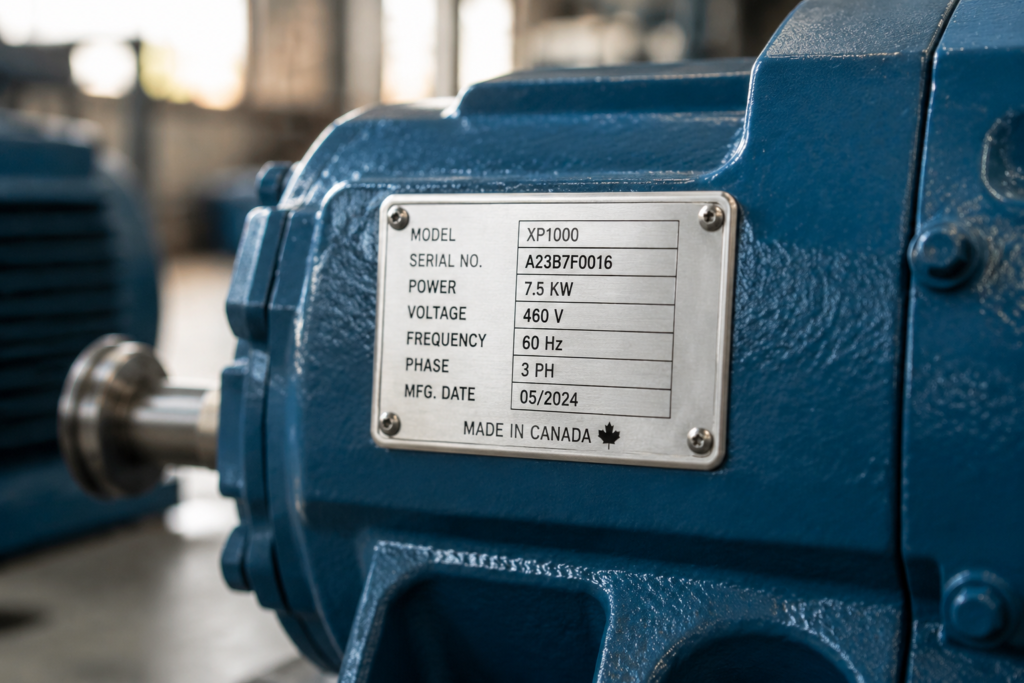
Yes. Engraved metal tags are commonly used for machinery requiring readable, durable identification. Their suitability depends on the chosen material and marking method.
Conclusion
Choosing between metal and plastic industrial tags depends on environmental exposure, durability requirements, and long-term costs. Metal is often suitable for heavy machinery, outdoor equipment, and demanding industrial conditions. Plastic suits lightweight applications, colour-coded identification, and certain electrical environments. Reviewing material properties, marking methods, and installation requirements helps businesses select identification solutions that support efficient equipment management.
Need help selecting metal or plastic identification products in Calgary? See Industrial Nameplates on Google Maps for directions to its Calgary location and information about custom equipment identification options.