
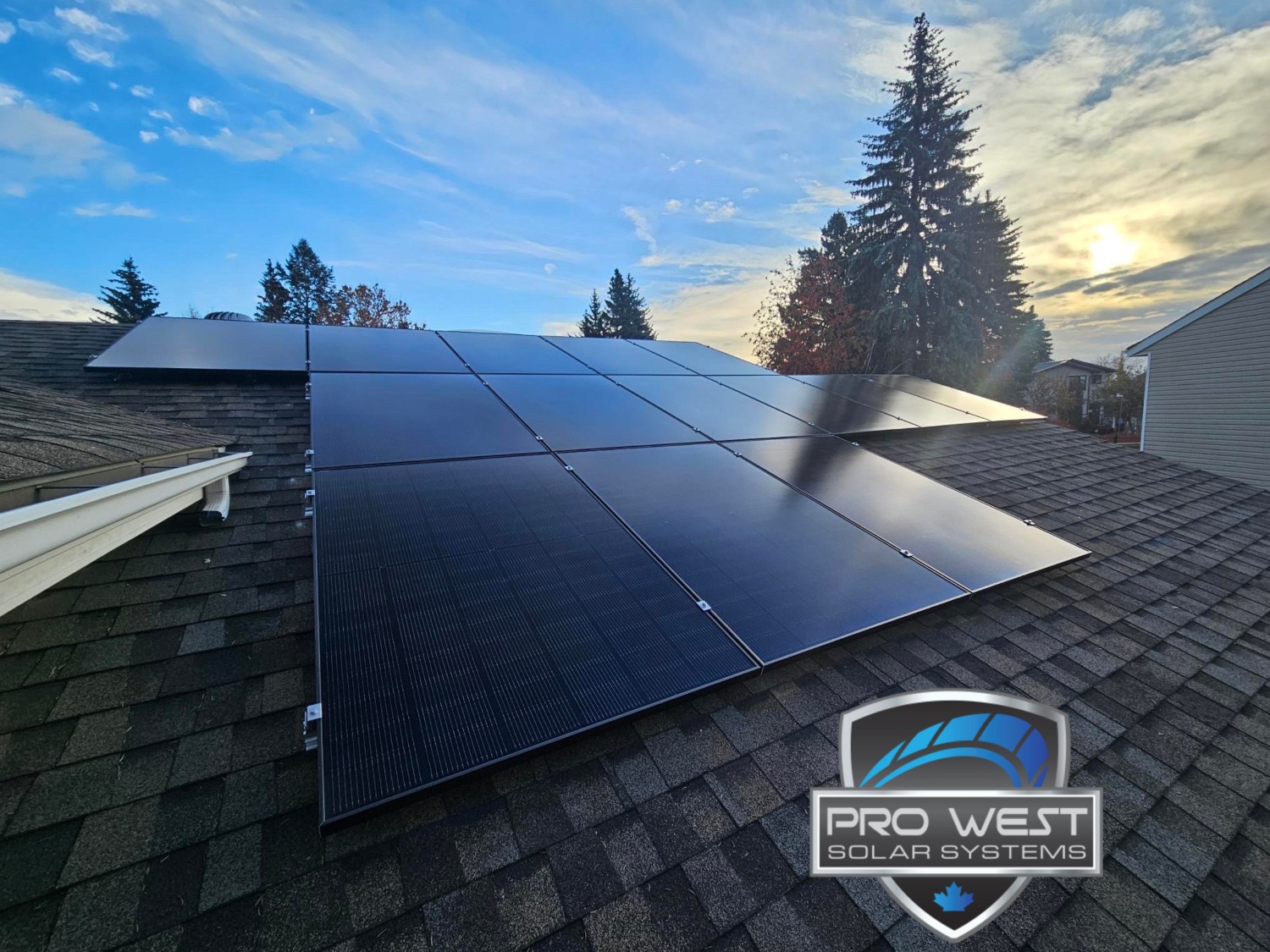
Edmonton experiences long winters, freezing temperatures, and considerable seasonal changes in daylight. These conditions influence how renewable energy systems are designed and installed. For homeowners considering Edmonton solar panel installation, understanding winter challenges is essential for making informed decisions about equipment, roof suitability, and long-term energy performance.
Table of Contents
- How Cold Weather Affects Edmonton Solar Panel Installation
- Understanding Solar Performance During Freezing Temperatures
- How Snow and Ice Influence Roof Planning
- Scheduling Installation Around Edmonton’s Winter Conditions
- Selecting Solar Equipment for Alberta’s Climate
- Edmonton Solar Panel Installation: A Practical Winter Example
- Understanding Edmonton’s Solar Permit Requirements
- How to Choose Qualified Solar Installation Professionals
- Conclusion
Cold weather primarily affects installation schedules through snowfall, icy surfaces, roof accessibility, and safety requirements. However, low temperatures do not automatically reduce photovoltaic efficiency. Careful preparation helps ensure that solar energy systems are designed for Alberta’s changing climate.
How Cold Weather Affects Edmonton Solar Panel Installation
When planning an Edmonton solar panel installation, evaluate available roof space, winter temperatures, snow accumulation, structural capacity, and sunlight exposure. These factors can influence project requirements.
Edmonton receives approximately 2,300 hours of sunshine annually, making solar energy a practical consideration despite the region’s northern location.
However, winter brings shorter daylight hours and lower sun angles, affecting daily electricity generation. Installers should focus on annual energy production rather than expecting equal output in every season. A detailed property assessment helps determine suitable mounting locations, equipment configurations, and realistic electricity production estimates.
Understanding Solar Performance During Freezing Temperatures
Photovoltaic technology generates electricity from sunlight, not heat. As a result, freezing temperatures do not necessarily reduce solar cell efficiency.
According to Natural Resources Canada, photovoltaic cells generally perform more efficiently in cooler conditions when sunlight exposure remains comparable.
Why Winter Electricity Production Can Decline
Even when panels operate efficiently in cold temperatures, seasonal energy generation can decrease because of environmental conditions.
Several factors influence winter performance:
- Shorter daylight hours: Reduced sunlight availability limits daily electricity production.
- Lower sun angles: Nearby buildings and trees may create longer shadows.
- Snow accumulation: Covered panel surfaces receive less direct sunlight.
- Cloud coverage: Reduced solar radiation can affect electricity generation.
- Roof orientation: Panel positioning determines seasonal sunlight exposure.
Understanding these differences helps homeowners establish realistic expectations for monthly and annual energy production.
How Snow and Ice Influence Roof Planning
Snow accumulation introduces additional considerations when designing rooftop solar energy systems.
Before installation, professionals should examine roofing materials, structural integrity, mounting locations, and applicable snow-load requirements.
A roof must support the combined weight of the existing structure, mounting equipment, and environmental loads.
Choosing Suitable Panel Angles
Roof orientation and mounting angles influence sunlight exposure and snow movement. South-facing surfaces often provide favorable annual energy generation in Edmonton. However, east-facing and west-facing roofs may also support effective installations.
Steeper mounting angles can encourage snow movement under certain conditions, although the ideal configuration depends on roof geometry, shading, and annual electricity requirements.
A qualified assessment should balance seasonal performance, structural considerations, and available installation space.
Managing Snow Accumulation Safely
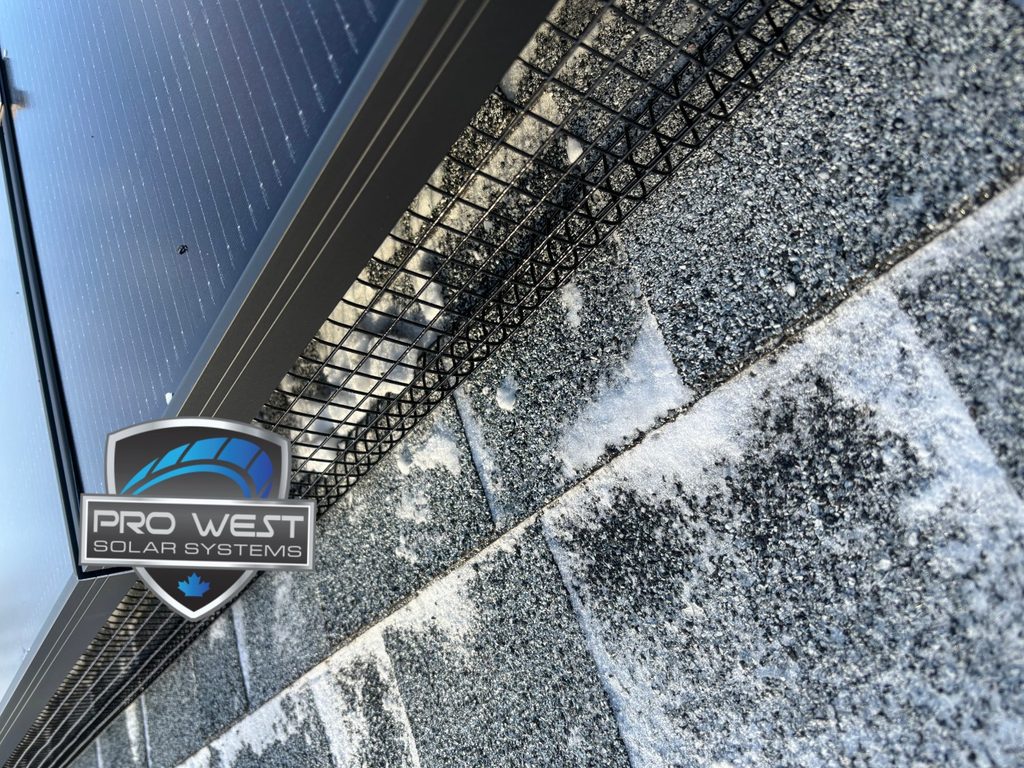
Snow may naturally slide from inclined modules or melt as weather conditions change. Homeowners should avoid accessing icy rooftops or using sharp equipment to remove accumulated snow.
Instead, monitoring electricity production after snowfall can help identify unusual performance changes. Qualified solar technicians should assess persistent concerns using appropriate safety procedures.
Scheduling Installation Around Edmonton’s Winter Conditions
Project scheduling becomes particularly important when freezing temperatures make rooftop surfaces slippery. Snowfall, ice accumulation, high winds, and extreme cold can restrict access or delay outdoor installation activities.
Homeowners reviewing solar installers in Edmonton should ask how seasonal conditions influence scheduling, rooftop safety, and equipment handling.
Several preparation activities can begin before suitable installation weather arrives, including electricity consumption analysis, system design, structural assessments, and permit documentation.
Early preparation helps coordinate project requirements and provides greater flexibility when arranging installation dates.
Selecting Solar Equipment for Alberta’s Climate
A reliable photovoltaic system requires compatible panels, inverters, mounting hardware, wiring, and protective components.
A qualified solar panel installation company should explain equipment specifications and how selected components operate during seasonal temperature changes.
Electrical Performance in Cold Weather
Low temperatures can increase photovoltaic module voltage. Designers must account for expected minimum temperatures when selecting electrical equipment and determining system configurations.
Outdoor components also require appropriate environmental ratings for their installation locations.
Where battery storage is included, temperature management becomes particularly important. Some battery technologies restrict charging in freezing conditions unless they have suitable thermal protection.
Following manufacturer specifications and applicable electrical requirements contributes to safe operation and consistent performance.
Edmonton Solar Panel Installation: A Practical Winter Example
Consider a hypothetical Edmonton household with a south-facing roof and relatively high annual electricity consumption. The property receives strong sunlight in summer but experiences partial shading and occasional snow cover in winter.
A professional installer might recommend positioning panels away from shaded roof sections while examining structural capacity and electrical requirements. The homeowner would also receive estimated monthly electricity generation figures showing higher production during brighter seasons.
This example demonstrates why annual electricity consumption and seasonal sunlight patterns should guide system design. Actual performance depends on property characteristics, equipment selection, shading, and individual electricity usage.
Understanding Edmonton’s Solar Permit Requirements
Address local approval requirements before you begin installation. The City of Edmonton requires applicable permits and application reviews for solar photovoltaic systems. Electrical work must also follow relevant safety requirements.
Grid-connected installations may require coordination with the local electricity utility under Alberta’s micro-generation framework.
Property owners should confirm who will prepare permit applications, coordinate inspections, and complete utility connection procedures. Addressing these responsibilities early can help prevent unnecessary administrative delays.
How to Choose Qualified Solar Installation Professionals
Choosing an installation provider involves examining technical qualifications, relevant experience, project planning methods, and warranty information.
The best solar panel installation company for a particular property should provide recommendations based on actual site conditions rather than general promises about electricity savings.
When reviewing solar panel installers in Edmonton, compare roof assessment procedures, equipment specifications, installation schedules, and estimated annual generation.
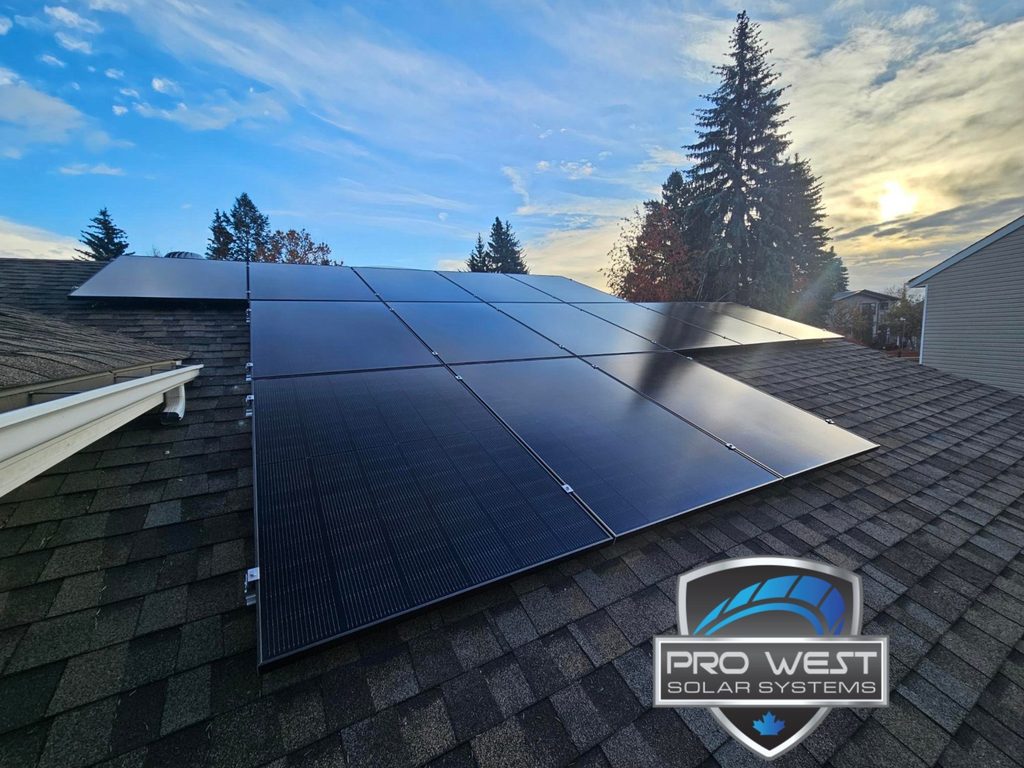
A detailed proposal should explain expected electricity output, mounting requirements, system components, estimated costs, and relevant warranties. Pro West Solar Systems provides solar installation solutions in Edmonton, including property assessments, system planning, and photovoltaic installation.
Edmonton Solar Panel Installation Planning Checklist
Before proceeding with an Edmonton solar panel installation, homeowners should consider these essential steps:
- Review annual electricity consumption and seasonal energy usage.
- Examine roof condition, orientation, and available installation space.
- Confirm structural suitability for applicable snow and wind loads.
- Request realistic monthly and annual electricity generation estimates.
- Check equipment temperature ratings and warranty coverage.
- Clarify permit applications, inspections, and utility coordination.
- Discuss winter scheduling and safe maintenance procedures.
Completing these steps supports organized project planning and helps establish realistic performance expectations.
Frequently Asked Questions
Can solar panels generate electricity during Edmonton winters?
Yes. Photovoltaic modules generate electricity when sunlight reaches their surfaces. However, shorter days, shading, and snow accumulation may reduce winter output.
Does freezing weather affect solar panel efficiency?
Cold temperatures can improve photovoltaic cell efficiency under comparable sunlight conditions. Overall winter generation may still decline because daylight hours are shorter.
Can solar panels be installed during winter?
Yes, when rooftop conditions and weather permit safe work. Heavy snowfall, ice, high winds, or extreme temperatures may delay installation activities.
Should homeowners remove snow from rooftop solar panels?
Routine removal is not always necessary because snow may clear naturally. Unsafe removal techniques can damage modules or create serious fall hazards.
Are permits required for solar installations in Edmonton?
Yes. Solar photovoltaic projects require applicable municipal and electrical permits. Grid-connected systems also involve utility coordination and relevant provincial requirements.
Conclusion
Edmonton’s winter climate influences roof preparation, equipment selection, seasonal electricity generation, and installation scheduling. However, freezing temperatures alone do not prevent photovoltaic technology from producing electricity efficiently. Successful Edmonton solar panel installation depends on accurate property assessments, suitable mounting systems, properly rated components, and compliance with local requirements. By preparing for winter conditions early, homeowners can make informed decisions and establish realistic expectations for their long-term renewable energy goals.
Planning a solar installation in Edmonton before winter? Pro West Solar offers local solar energy solutions. Get Directions to Pro West Solar Systems and contact details before discussing your project.