

Living with missing teeth or an unstable denture can make everyday activities more difficult. Meals may require extra care, certain words may become harder to pronounce, and concern about a loose appliance can reduce confidence in social settings. For patients seeking greater stability, snap-In Dentures in Palmdale can provide an alternative to conventional dentures. Although traditional dentures remain a practical solution for many people, some patients prefer the added support and stability of an implant-retained option.
Table of Contents
- What Are Snap-In Dentures?
- How Do Snap-In Dentures Work?
- How Can Snap-In Dentures Improve Eating?
- Can Snap-In Dentures Help With Speech?
- Snap-In Dentures Versus Traditional Dentures
- Are Snap-In Dentures Permanent?
- Who May Be a Candidate?
- What Does the Treatment Process Include?
- How Should Snap-In Dentures Be Maintained?
- Choosing Snap-In Dentures in Palmdale
- Conclusion
People searching for snap-in dentures near you are often interested in a removable tooth-replacement option that connects to dental implants. This connection may reduce unwanted movement and provide better support while eating, speaking, smiling, or laughing. However, suitability depends on oral health, jawbone condition, medical history, and individual treatment goals.
What Are Snap-In Dentures?
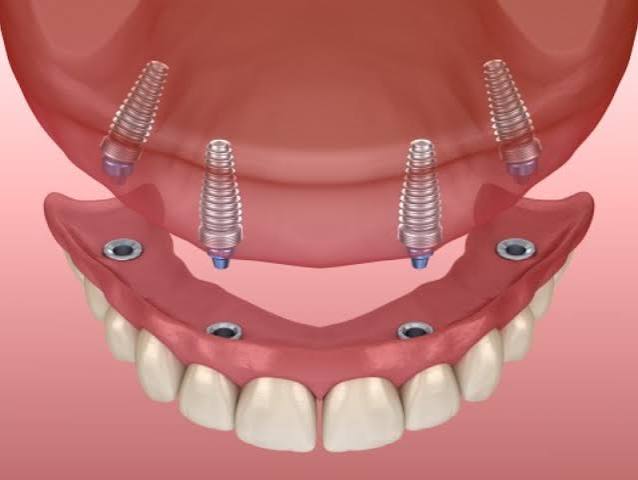
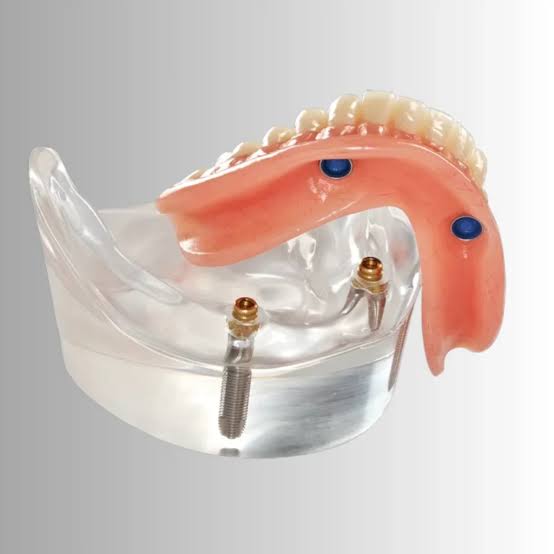
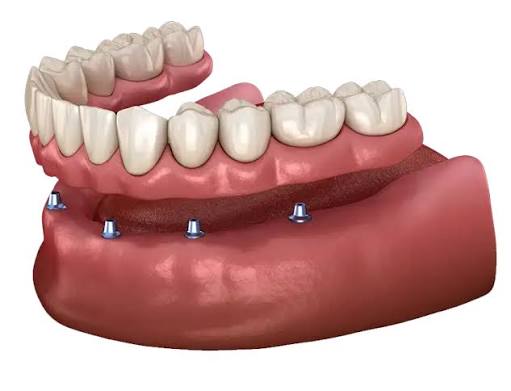
Snap-in dentures are removable replacement teeth that attach to dental implants placed in the jaw. They are also known as implant-retained or implant-supported dentures. Small connectors allow the denture to snap securely into position while still being removable for cleaning in many cases.
A conventional denture generally rests on the gums and relies on suction or adhesive for stability. By comparison, a snap-in restoration receives support from strategically positioned implants. This added retention can create a more secure feeling during daily activities.
The number of implants required varies from one patient to another. A dentist must examine the mouth, review diagnostic images, and assess the available bone before recommending a treatment plan.
Ready to take the next step toward a healthier smile? Book an appointment with Farzad Dental online and choose a location, date, and time that suit your busy schedule. The simple booking form makes it easy to request a visit and discuss your dental care needs.
How Do Snap-In Dentures Work?
Dental implants are small posts that serve as anchors for the denture. They are placed in selected areas of the jaw and given time to integrate with the surrounding bone. Once the implants are stable, a customized restoration is created with attachments that connect to them.
The denture can then be pressed into place and removed according to the dentist’s instructions. Its supporting attachments help limit the lifting, rocking, or sliding that some people experience with traditional removable appliances.
Full, partial, and implant-supported denture options are available for patients at the Palmdale location. Each treatment begins with an evaluation, allowing Farzad Dental to recommend an option based on the patient’s oral condition, functional needs, and preferences.
How Can Snap-In Dentures Improve Eating?
Loose dentures can move when a person bites or chews, especially when eating firm or sticky foods. This movement may cause gum irritation and make some patients avoid foods they previously enjoyed.
Implant support can help keep the restoration in a more stable position. Better retention may make chewing feel more controlled and allow patients to eat a wider variety of foods after completing the adjustment period.
Potential benefits can include:
- Less movement while chewing
- More even distribution of biting pressure
- Reduced reliance on denture adhesive
- Greater confidence when eating with others
- Improved comfort with an appropriately fitted restoration
Patients should still introduce foods gradually. Beginning with softer options, cutting meals into small portions, and chewing on both sides can make the adjustment process easier. Individual results vary, and no denture recreates the exact strength or sensation of healthy natural teeth.
Can Snap-In Dentures Help With Speech?
Teeth play an important role in forming certain sounds. Missing teeth, gaps, and unstable dentures may change airflow or interfere with the movement of the tongue and lips. Some people may speak more cautiously because they are concerned that their appliance will shift.
A more secure restoration can provide a stable surface for the tongue and facial muscles. Once the mouth adapts, this stability may help speech feel clearer and more natural.
Temporary pronunciation changes can still occur after receiving a new denture. Reading aloud, speaking slowly, and repeating difficult words can help the mouth adjust. Persistent problems should be discussed with the dentist because the restoration may require a minor adjustment.
Snap-In Dentures Versus Traditional Dentures
Traditional dentures and implant-supported options can both restore missing teeth, but they remain in place differently.
Conventional dentures rest directly on the gums. Their stability depends on factors such as the shape of the jaw, saliva, suction, fit, and the possible use of adhesive. They do not require implant surgery and may suit patients who prefer a non-surgical treatment.
Snap-in dentures connect to implants for increased retention. They generally move less during meals and conversations, but treatment requires implant placement, sufficient healing, regular maintenance, and a higher initial investment.
Neither solution is best for every person. General health, bone condition, budget, expectations, and willingness to undergo treatment should all be considered before making a decision.
Are Snap-In Dentures Permanent?
Patients sometimes use the search phrase permanent dentures implants when looking for a long-lasting alternative to removable dentures. However, this wording may refer to two different treatments: removable snap-in dentures or fixed full-arch implant restorations.
Snap-in dentures are usually removable even though their supporting implants remain in the jaw. Patients can take out the appliance for cleaning as instructed. A fixed full-arch restoration, on the other hand, remains attached and can generally be removed only by a dental professional.
Both options require ongoing care. The implants, gums, attachments, bite, and restoration should be checked regularly. Attachment components may wear over time, and the denture may eventually need adjustment, relining, repair, or replacement.
Who May Be a Candidate?
Adults who are missing several or all teeth in an arch may be evaluated for implant-supported dentures. Suitable candidates generally need healthy gum tissue, adequate jawbone support or an appropriate preparatory plan, and the ability to heal following implant placement.
An evaluation for dental implants in Palmdale may include:
- A review of dental and medical history
- An examination of the teeth, gums, and bite
- Diagnostic imaging of the jaw
- An assessment of available bone
- A discussion about removable and fixed choices
- A review of treatment stages and expected maintenance
Smoking, uncontrolled diabetes, active gum disease, certain medications, and previous radiation treatment may influence healing or treatment planning. These factors do not always prevent implant treatment, but they must be discussed honestly with the dentist.
What Does the Treatment Process Include?
Initial Consultation
The dentist evaluates the mouth, discusses current concerns, and reviews possible tooth-replacement solutions. This appointment helps determine whether conventional, snap-in, or fixed teeth may be appropriate.
Implant Placement
If implants are recommended, they are placed in carefully planned areas of the jaw. The procedure and number of implants depend on the selected restoration and the patient’s anatomy.
Healing Period
The bone needs time to integrate with the implants. Healing times differ according to individual health, bone quality, implant location, and whether preliminary procedures were required.
Denture Fabrication
Impressions or digital records are used to create a customized restoration. Its appearance, bite, fit, and attachment points are carefully evaluated.
Fitting and Follow-Up
The completed denture is fitted and adjusted for comfort. Follow-up visits allow the dentist to assess healing, retention, bite balance, and the condition of the supporting tissues.
How Should Snap-In Dentures Be Maintained?
Daily cleaning helps protect the gums, implants, attachments, and restoration. Food particles and plaque can collect beneath the denture or around its supporting components, even when no natural teeth remain.
Patients should clean the appliance and mouth using products recommended by their dental team. Abrasive toothpaste, harsh household cleaners, or very hot water may damage certain denture materials.
Regular professional examinations remain necessary. A dentist can check for inflammation, worn attachments, bite changes, damage, or problems that may not be noticeable at home. Early attention may prevent a minor concern from becoming more difficult to manage.
Choosing Snap-In Dentures in Palmdale
When considering trusted snap-in dentures in Palmdale, patients should look beyond the advertised price. Implant planning, restoration quality, follow-up visits, adjustment services, and long-term maintenance all contribute to the overall treatment experience.
Useful questions to ask during a consultation include:
- Will the final restoration be removable or fixed?
- How many implants might be required?
- Are any preliminary procedures necessary?
- What does the complete estimate include?
- How should the restoration be cleaned?
- What ongoing maintenance may be expected?
Patients travelling from Quartz Hill, Rosamond, Palmdale, Vincent, Desert View Highlands, Rancho Vista, and Pearblossom. Choosing an accessible office can make surgical appointments, fittings, adjustments, and routine maintenance easier to manage.
Frequently Asked Questions
Do snap-in dentures move while eating?
They are intended to provide greater retention than conventional dentures. Some movement may still occur depending on the fit, number of implants, attachment condition, bite, and oral anatomy.
Can snap-in dentures be removed at home?
Many snap-in systems are removable and should be taken out for cleaning as directed. Fixed implant-supported restorations can usually be removed only by a dental care professional.
Will I need denture adhesive?
Implant attachments generally provide the required retention, so adhesive may not be necessary. Any unexpected looseness should be assessed by a dentist.
How long does the complete process take?
The timeline depends on oral health, implant healing, bone condition, and whether preparatory procedures are needed. A personalized schedule can be provided following an examination.
How long do snap-in dentures last?
Their lifespan varies according to materials, oral hygiene, bite forces, maintenance, and changes in the mouth. Attachments and the denture may eventually require servicing even when the implants remain healthy.
Conclusion
Snap-in dentures may provide a more stable solution for people who experience difficulty with missing teeth or loose conventional dentures. By attaching a customized restoration to dental implants, the treatment can support more comfortable chewing, clearer speech, and greater confidence during everyday activities. Anyone comparing snap-in dentures near them should receive a complete examination before selecting a treatment. A dentist can explain the difference between conventional, removable implant-supported, and fixed restorations while identifying the option that best fits the patient’s health, needs, and expectations.
Ready to learn whether implant-supported dentures may be right for you? Find Dental Care in Palmdale to discuss treatment eligibility, restoration options, and long-term care.